Hong Kong Tourism Gets a Powerful Boost as Guangdong’s Southbound Yacht Scheme Opens New Doors to Luxury Coastal Travel

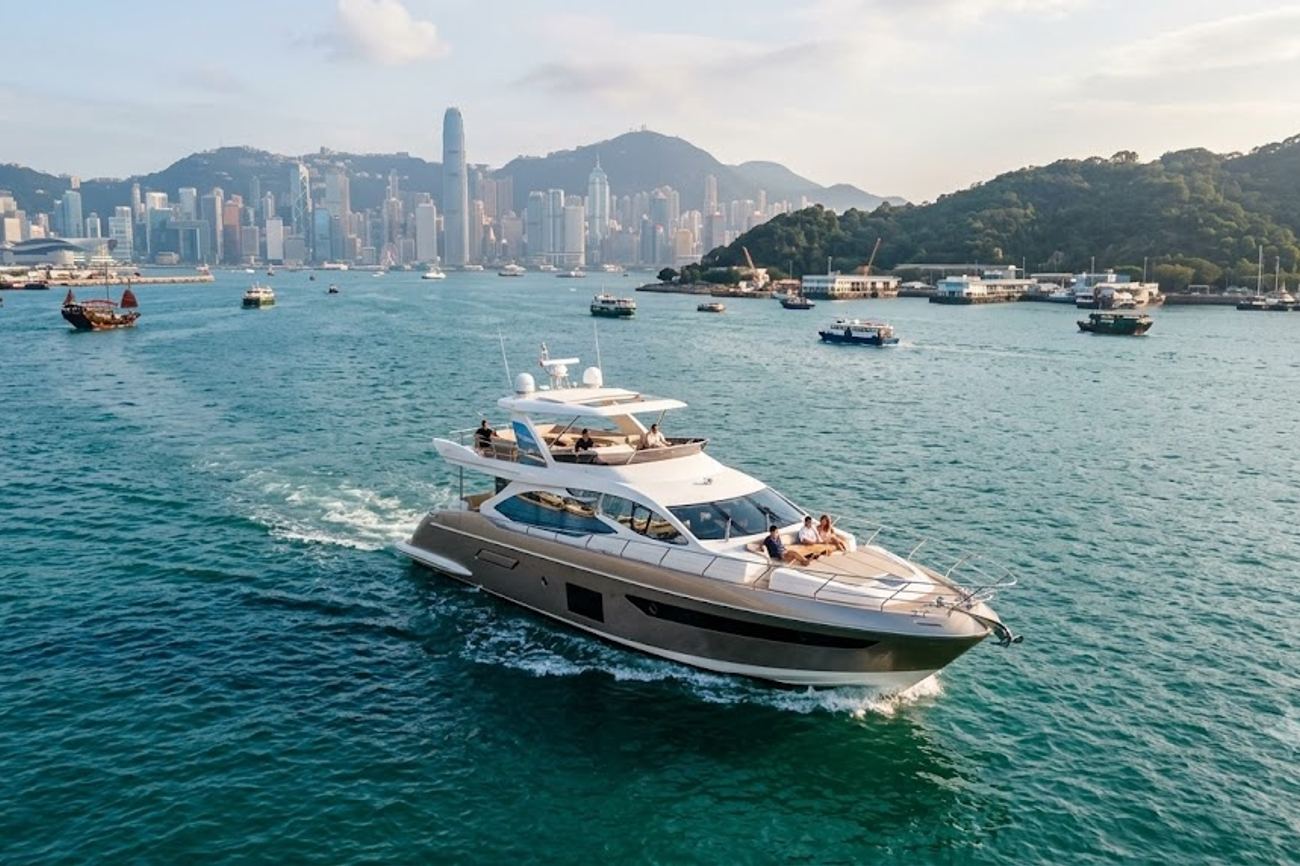
Image generated by AI
title: Guangdong-Hong Kong Yacht Connectivity Scheme 2026 category: Aviation and Maritime Travel region: Greater Bay Area
[Hong Kong, October 2025] — Authorities in Guangdong and Hong Kong are launching the Southbound Yacht Travel Scheme to integrate maritime connectivity across the Greater Bay Area (GBA) by 2026. The initiative establishes a formalized framework for private and commercial yachts to navigate between the mainland Chinese coast and Hong Kong waters, removing previous bureaucratic bottlenecks that hindered cross-border nautical tourism.
The program is a joint effort between the Hong Kong Tourism Board and Guangdong provincial maritime authorities. It aims to diversify entry points into Hong Kong, shifting reliance away from traditional land-border crossings and airports toward high-end maritime corridors. By streamlining customs and immigration protocols for vessel operators, the scheme seeks to capture the growing luxury travel market within the GBA.
The Catalyst for Maritime Integration
The shift toward yacht-based connectivity is driven by a strategic mandate to optimize the "One Hour Living Circle" within the Greater Bay Area. Historically, yacht travel between Guangdong and Hong Kong required exhaustive paperwork, multiple permits, and rigid reporting requirements that made spontaneous travel impossible.
The new scheme introduces a digital pre-clearance system. Vessel owners can now submit crew manifests and passenger passports via a centralized portal before departure. This reduces the time spent at checkpoints and allows for a more fluid transition between jurisdictions. The move is part of a broader effort to align the regulatory environments of the two regions, treating the maritime space as a corridor for economic exchange rather than a hard border.
Scope of the Southbound Yacht Travel Scheme
The initiative targets specific hubs of activity, focusing on the luxury residential and commercial waterfronts of the Pearl River Delta. The following table outlines the primary operational hubs and expected traffic flows for the initial rollout.
Primary GBA Yacht Connectivity Hubs
| Departure Hub (Guangdong) | Arrival Hub (Hong Kong) | Primary Vessel Type | Expected Volume (2026) |
|---|---|---|---|
| Shenzhen Bay | Victoria Harbour | Private Luxury Yachts | 1,200+ Vessels |
| Zhuhai Port | Sai Kung / Clearwater Bay | Commercial Charters | 800+ Vessels |
| Jiangmen Waterfront | Lantau Island | Boutique Cruise Yachts | 400+ Vessels |
| Guangzhou Nansha | Aberdeen Harbour | Private Luxury Yachts | 600+ Vessels |
What This Means for Travelers
For the average traveler, this scheme transforms the Greater Bay Area from a series of disconnected cities into a navigable maritime network. While the primary beneficiaries are yacht owners, the ripple effect extends to high-net-worth tourists and corporate executives.
Simplified Border Crossings Travelers no longer need to transit through the crowded Hong Kong West Kowloon Station or the Hong Kong International Airport to enter the city from Guangdong. By utilizing designated yacht berths, passengers can bypass traditional terminals, provided their vessel is registered under the Southbound scheme.
New Luxury Itineraries The scheme opens the door for "island-hopping" packages. Travelers can now realistically plan a trip that starts in the Nansha district of Guangzhou, sails through the Pearl River Delta, and anchors in the secluded bays of Sai Kung without facing prohibitive customs delays.
Increased Charter Availability With the reduction of regulatory friction, commercial charter companies are expected to increase their fleets. This means travelers who do not own a yacht can book "cross-border nautical transfers," providing a private alternative to the high-speed ferry networks managed by the Hong Kong Marine Department.
Regulatory Framework and Compliance
To maintain security and border integrity, the scheme does not grant unrestricted access. All participating vessels must adhere to a strict set of compliance markers:
- Digital Registration: Every vessel must be registered in the GBA Maritime Database, providing real-time GPS tracking to the Customs and Excise Department of Hong Kong.
- Passenger Verification: All passengers must hold valid travel documents compatible with the "Southbound" permit requirements.
- Environmental Standards: To protect the fragile ecosystems of the Pearl River Delta, the scheme mandates the use of low-emission engines for all vessels operating within the designated green zones of the GBA.
Failure to comply with these regulations results in immediate revocation of the vessel's cross-border permit and potential fines for the operator.
The 2026 Roadmap for GBA Tourism
The full implementation of the Southbound Yacht Travel Scheme is timed to coincide with the 2026 tourism surge. The goal is to transition Hong Kong from a transit hub into a primary destination for maritime leisure.
By 2026, authorities plan to introduce "Maritime Free-Trade Zones" where yacht passengers can enjoy streamlined shopping and dining experiences at the docks without completing full city-entry formalities, provided they remain within the designated port area. This "port-side" tourism model is designed to increase spending per visitor and reduce the strain on the city's urban infrastructure.
Furthermore, the integration of the yacht scheme with the existing Hong Kong-Zhuhai-Macao Bridge infrastructure creates a multi-modal transport network. Travelers can now combine land, air, and sea travel with unprecedented flexibility, moving between the three special administrative regions and the Guangdong mainland with minimal friction.
FAQ: Hong Kong Yacht Travel 2026
Do I need a special visa to use the Southbound Yacht Travel Scheme? Standard visa requirements for entering Hong Kong and Mainland China still apply. The scheme simplifies the process of entry via yacht but does not waive the legal requirement for valid passports and visas.
Can any private boat participate in this scheme? No. Vessels must be registered and approved under the Southbound Yacht Travel Scheme. This involves a security vetting process for the owner and the vessel, as well as compliance with GBA maritime safety standards.
Where can yachts dock when arriving in Hong Kong? Yachts must use designated berths approved by the Marine Department. Popular locations include Victoria Harbour, Aberdeen, and various private marinas in Sai Kung and Lantau Island.
Is there a limit on how many times a vessel can cross the border? While there is no hard limit, each crossing requires a digital notification through the pre-clearance portal. Frequent travelers may apply for a long-term "Frequent Navigator" permit to further reduce paperwork.
The Pearl River Delta is no longer a barrier, but a bridge for the luxury traveler.
Related Travel Guides
This article is for informational purposes. Flight routes, passenger regulations, visa rules, and transit advisories are subject to change by airlines and aviation authorities. Readers are advised to verify schedules and travel documentation with relevant carriers and border agencies before departure.
Related Stories

Europe Overhauls Corporate Travel Rules with Biometric Borders, Green Hospitality, and High-Speed Rail

European Mass Protests Disrupt Travel Across France, Italy, Belgium, and Turkey in 2026